Introduction
Every September, Saudi Arabia’s National Day moves beyond ceremony into a public accounting of national progress. Saudi National Day 96 is reported to carry the identity “Ezzana Bitab’na” — “Our Pride Is in Our Nature” — a theme that ties national identity to the land, climate, and natural resources the Kingdom is built on. For a country long classified among the most water-scarce in the world, that framing is not decorative. Water security sits at the center of how Saudi Arabia sustains its cities, its industry, and its Vision 2030 diversification agenda.
This is not an article about national achievements, and no single company should be credited with the Kingdom’s water-sector progress. It is an engineering perspective on a narrower question: what has to be true, at the equipment level, for a water-scarce nation to keep growing sustainably? The answer runs through membrane technology, pump efficiency, instrumentation, and thousands of specification decisions made on projects most people never hear about. Reliable water treatment equipment is not the headline of national development — but it is a load-bearing part of it.
Water Security as Infrastructure, Not Slogan
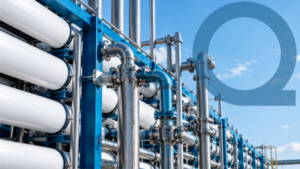
Saudi Arabia’s water reality is structural: renewable freshwater resources are minimal, and the Kingdom depends heavily on desalination for potable supply, alongside groundwater and treated wastewater reuse. The Ministry of Environment, Water and Agriculture (MEWA) and the National Water Company (NWC) have spent the past decade re-engineering how water is produced, distributed, and accounted for — including large-scale network rehabilitation to reduce non-revenue water losses that have historically been a significant challenge in parts of the network, and a shift toward corporatized, commercially managed utilities under the Vision 2030 privatization program.
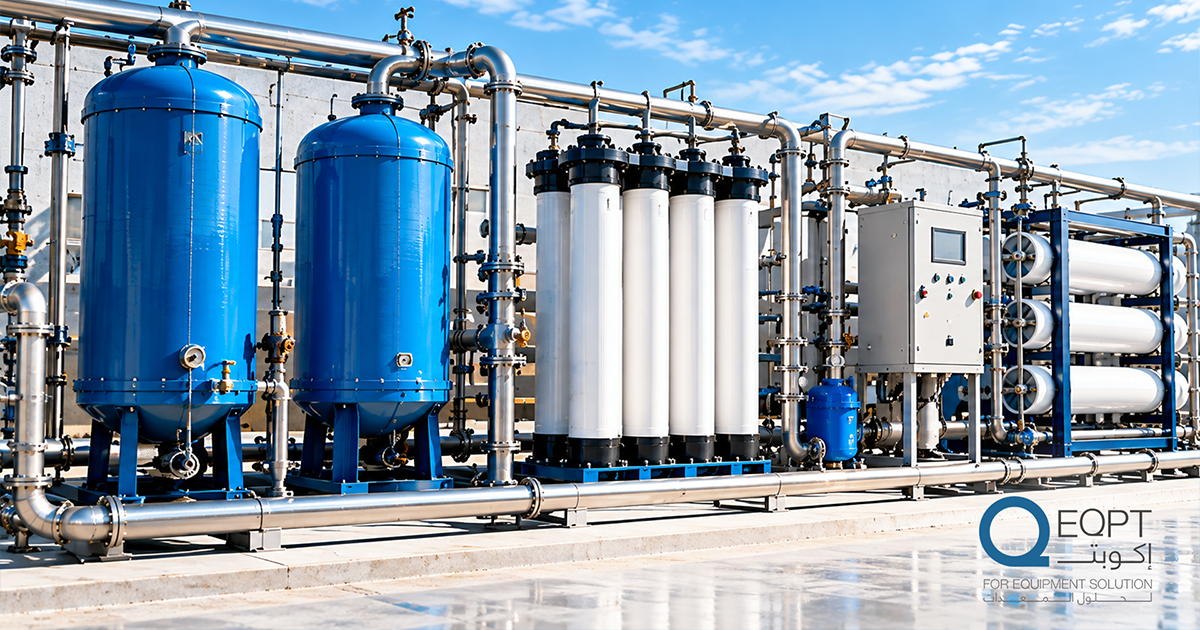
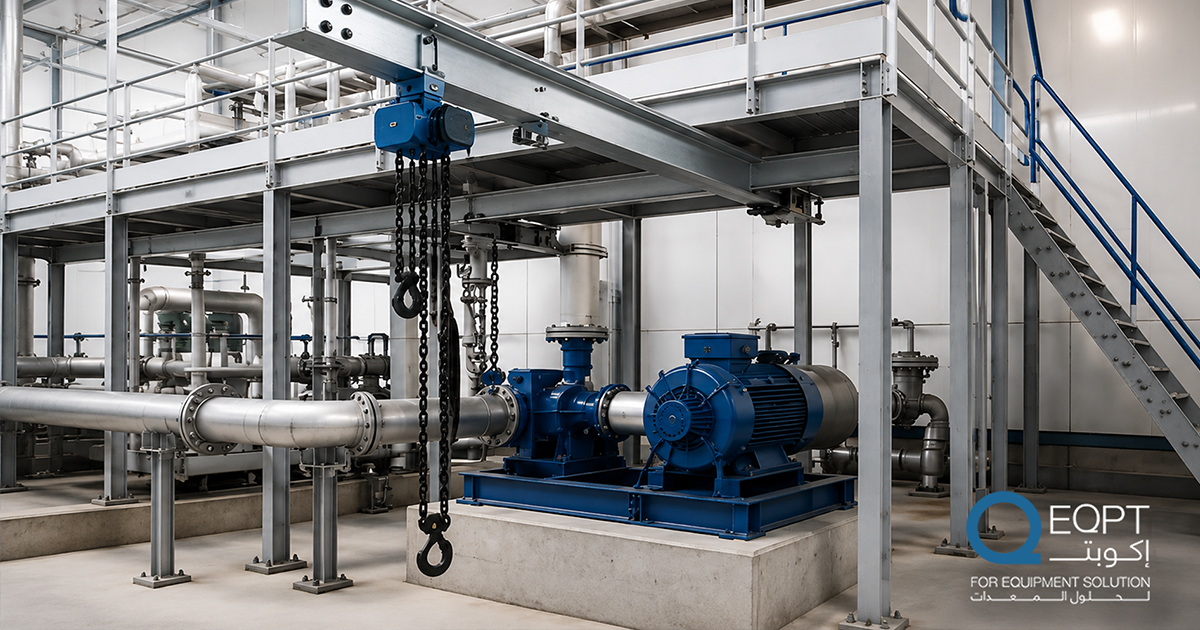
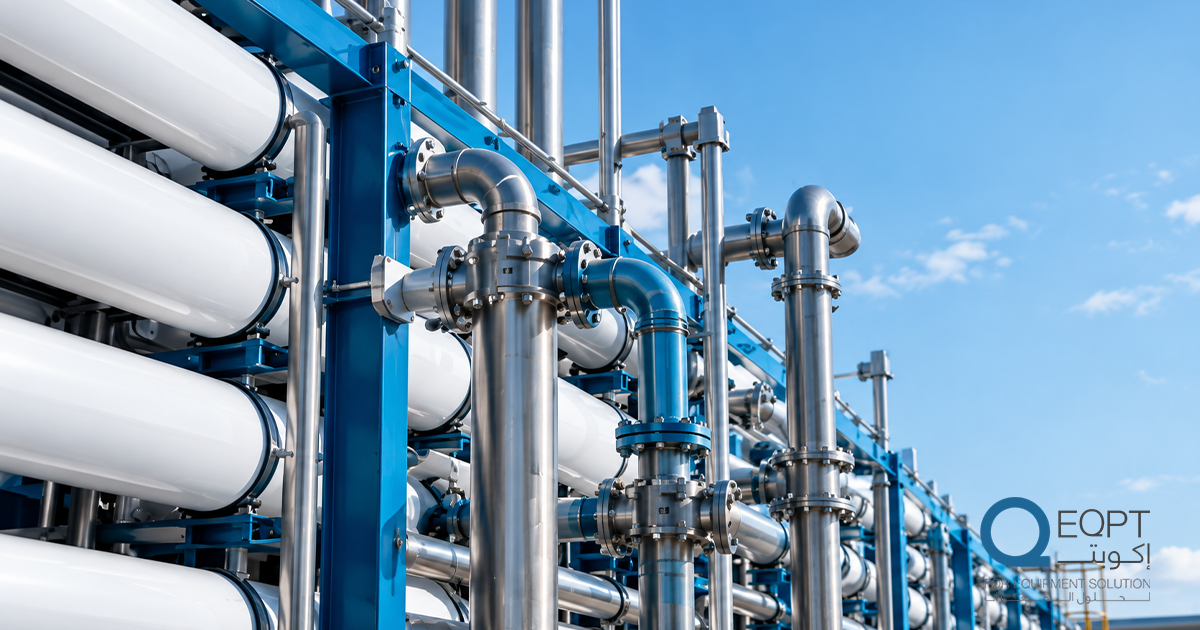
None of that transformation happens at the policy level alone. Every desalination plant, every industrial water reuse system, and every municipal upgrade is ultimately a collection of engineered equipment: membranes rated for a specific feedwater chemistry, pumps sized to a specific hydraulic profile, control systems calibrated to specific quality thresholds. Policy sets the destination; equipment selection determines whether a plant actually reaches design capacity, holds its recovery rate, and keeps operating cost predictable over a 15–20 year asset life.
Industrial Growth Depends on Water That Behaves Predictably
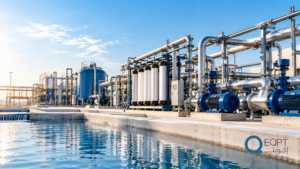
Vision 2030’s industrial diversification — mining, petrochemicals, manufacturing clusters, giga-projects — all carry water demand that competes with municipal supply. Facility managers and project engineers commissioning new industrial capacity are increasingly required to source, treat, or reuse water on-site rather than assume unlimited municipal allocation. That shifts water treatment from a utility afterthought to a core design input at the feasibility stage of industrial projects.
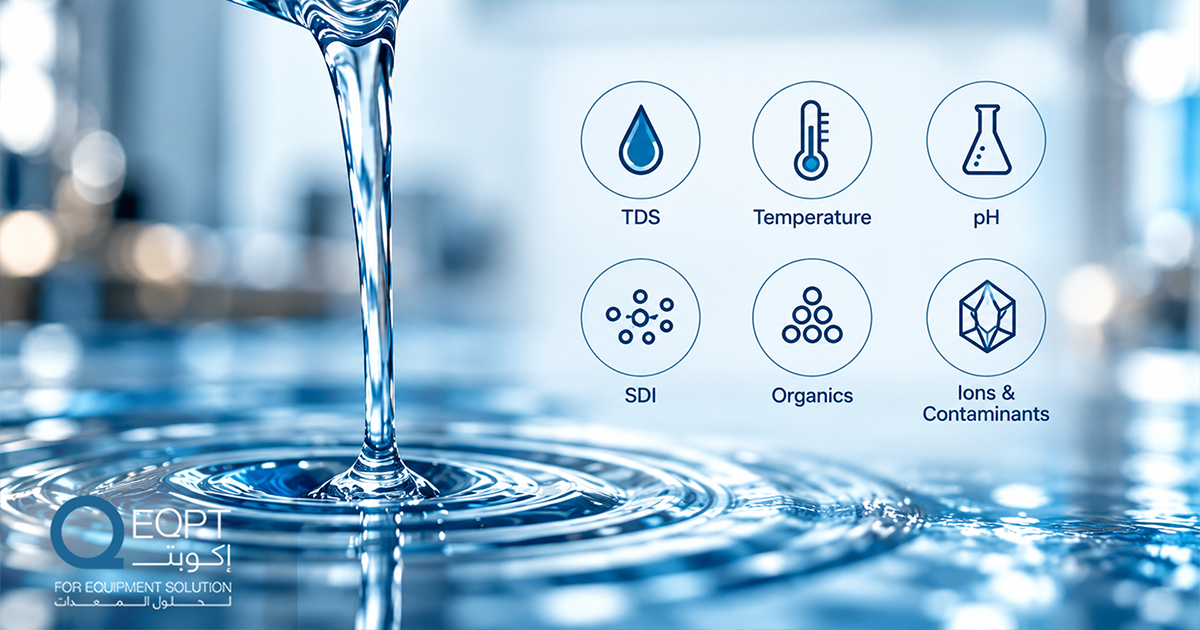
This is where equipment specification quality becomes a national-scale variable in miniature: a treatment train sized incorrectly for actual feedwater conditions, or built from components that were never engineered to work together (a subject explored in depth elsewhere in this series), produces downtime, higher chemical consumption, and shortened membrane life — all of which quietly erode the sustainability gains the sector is working to achieve.
Local Capability and Technology Adoption
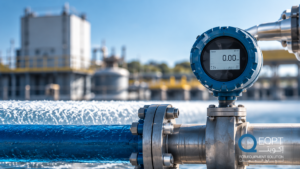
Saudi Arabia’s water strategy has also emphasized building in-Kingdom technical capability — not just importing finished infrastructure, but developing local engineering, operations, and maintenance capacity alongside international technology partnerships. For equipment distributors and technical suppliers operating in the Kingdom, this creates a specific mandate: bring access to proven international membrane, pump, and control technologies, while providing the in-market technical support that keeps that equipment performing correctly after commissioning.
Saudi/GCC Context: Why This Matters Now
The GCC region as a whole shares this water-scarcity profile, but Saudi Arabia’s scale — geographic size, population growth, and the pace of industrial diversification — makes equipment reliability a sharper concern than in smaller Gulf states. A single plant underperformance has larger downstream effects on regional supply planning. The Saudi Water Authority (SWA) and NWC’s continued investment in desalination capacity, wastewater treatment, and network modernization reflects a long planning horizon; equipment selected today is expected to remain in service through multiple decades of demand growth.
Practical Engineering Considerations
For engineers and procurement teams working on Saudi water infrastructure — whether municipal, industrial, or a hybrid PPP structure — the National Day 96 theme is a useful prompt to revisit three practical questions:
- Is the equipment specified for the feedwater and operating conditions actually present at this site, not a generic design basis?
- Does the treatment train’s component selection account for how each piece interacts with the others under real operating variability?
- Does the supplier relationship extend past delivery into the technical support needed to keep performance on target for the life of the asset?
These questions matter more, not less, as the pace of water-sector investment increases.
The EQPT Perspective
EQPT Solutions operates as a distributor and technical partner within this equipment layer of the Saudi water sector — supplying RO membranes, pumps, pressure vessels, filtration, dosing, and control components to projects across the Kingdom’s expanding market. EQPT is not positioned as a driver of national water-sector outcomes; it is one of many suppliers whose role is to make sure that when an engineer specifies a system, the components available to build it are appropriately matched to the application, backed by manufacturer documentation, and supported by technical guidance through commissioning and operation. National progress in water security is the sum of many such decisions, made correctly, on thousands of individual projects.
Key Takeaways
- Saudi Arabia’s water security depends on desalination, network efficiency, and industrial water reuse — all of which are ultimately delivered through specific, engineered equipment decisions.
- Vision 2030’s industrial diversification increases the number of facilities that must treat or reuse water on-site, raising the stakes on correct equipment specification.
- Local technical capability and access to proven international technology are both necessary; neither alone is sufficient.
- Equipment suppliers play a supporting role in national water-sector progress — not a leading one — by ensuring reliable, correctly specified components reach the projects that need them.
Conclusion
Saudi National Day 96’s theme of pride in the nation’s natural resources is a fitting moment to look past the ceremony and at the engineering reality underneath it. Water security in a water-scarce Kingdom is not achieved by ambition alone; it is achieved one correctly specified pump, membrane, and control system at a time, across thousands of projects most people will never read about. That is where equipment suppliers, EQPT included, contribute — quietly, technically, and as one part of a much larger system.
Planning a water treatment project and need equipment matched to your actual feedwater and operating conditions? Speak with EQPT Solutions’ technical team about RO, filtration, and dosing components suited to your site.
FAQ
Q: What does Saudi National Day 96 have to do with water treatment?
National Day 96’s reported 2026 theme, “Ezzana Bitab’na” (“Our Pride Is in Our Nature”), connects national identity to the land and natural resources the Kingdom depends on — including water, which underpins industrial growth and urban sustainability under Vision 2030.
Q: Is EQPT claiming credit for Saudi Arabia’s water-sector achievements?
No. This article positions EQPT as one equipment supplier operating within a much larger sector shaped by government strategy, utilities, and many contractors and technology providers.
Q: Why does equipment selection matter for national water security?
Because national-level water security outcomes — desalination capacity, network efficiency, industrial water reuse — are ultimately delivered through individual, correctly specified pieces of equipment on individual projects.
Q: What role do equipment distributors play in Saudi’s water strategy?
Distributors provide access to proven international technologies and technical support that help ensure equipment is specified correctly and performs reliably over its service life.