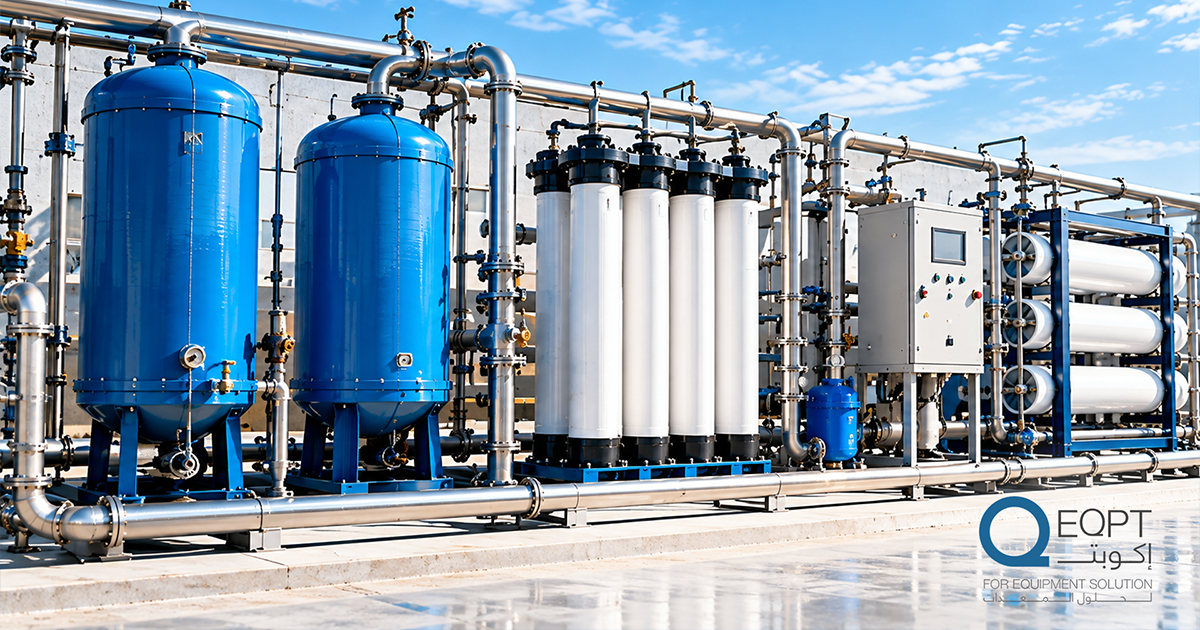
Introduction
Water treatment commissioning is where a correctly specified system either proves itself or picks up avoidable problems that were never caught upstream. Equipment that was correctly specified and correctly manufactured can still fail to perform to design once installed — not because the specification was wrong, but because something happened between delivery and startup that was never caught. Handling damage during offloading, incorrect storage before installation, a control system commissioned without reference to the actual mechanical installation, or a system accepted without a documented performance baseline are all common, avoidable gaps in this period.
This article sets out the sequence between equipment arriving on site and a system being accepted as operational, and the specific verification steps at each stage that determine whether a system performs to its design intent from day one.
Delivery Inspection: Catching Damage Before It’s Installed

Every delivery should be inspected against the packing list and purchase specification before offloading is signed for, checking for shipping damage (dents, cracked housings, damaged gaskets or seals), correct model and rating against the specification, and completeness of ancillary parts and documentation. Damage discovered after installation is materially harder and more expensive to resolve than damage caught at the loading dock — and in most commercial terms, is no longer clearly the supplier’s or carrier’s liability.
Storage: Protecting Equipment That Isn’t Installed Yet
Membrane elements, dosing pumps, and instrumentation are frequently more sensitive to storage conditions than site teams assume. Membranes require storage per manufacturer guidance — typically in their original packaging with preservative solution intact, within a specified temperature range, and away from direct sunlight and freezing conditions — since improper storage can degrade a membrane before it’s ever installed. Electrical and control components should be stored in a dry, climate-controlled area to prevent corrosion or condensation damage. A site that stores sensitive equipment the same way it stores structural steel is creating a failure point before installation even begins.
Installation: Mechanical Work That Sets Up Everything After It

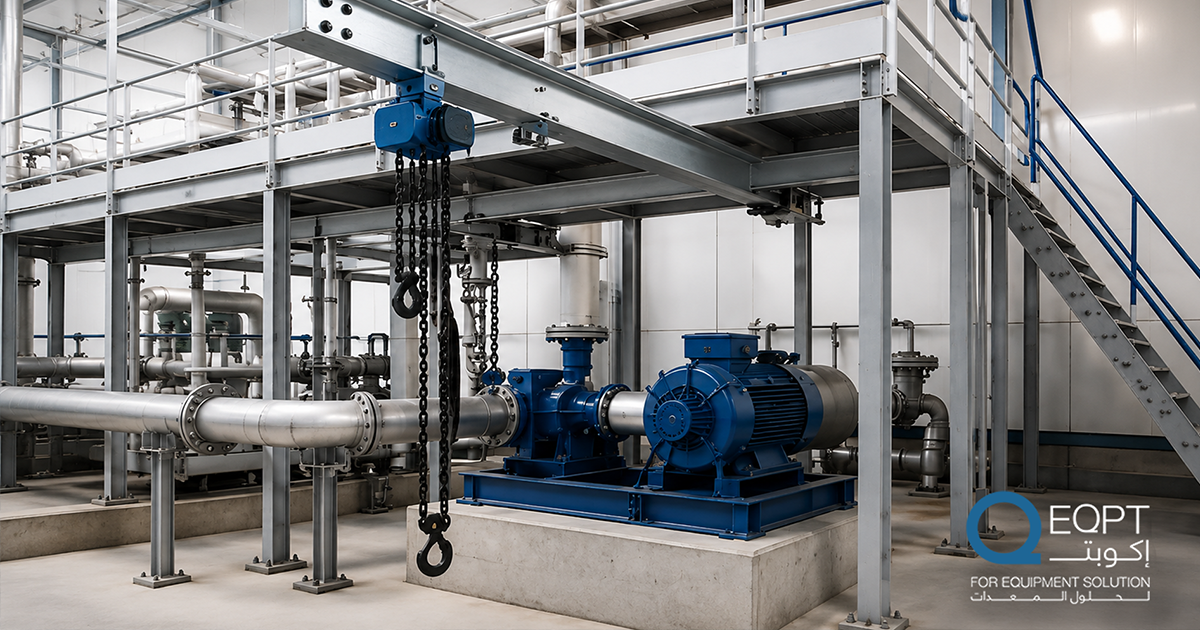
Installation quality determines whether later commissioning steps are verifying a correctly built system or troubleshooting one. Piping should be installed with correct support and without introducing stress on pump or vessel connections; alignment between pumps and motors should be verified (laser alignment is standard practice for larger pumps; see Hydraulic Institute guidance) since misalignment causes premature bearing and seal failure; and pressure vessels and membrane housings should be installed per the manufacturer’s torque and sequencing specifications, since incorrect element loading is a common, hard-to-diagnose source of early membrane damage.
Electrical and Control Verification: Before, Not During, Startup
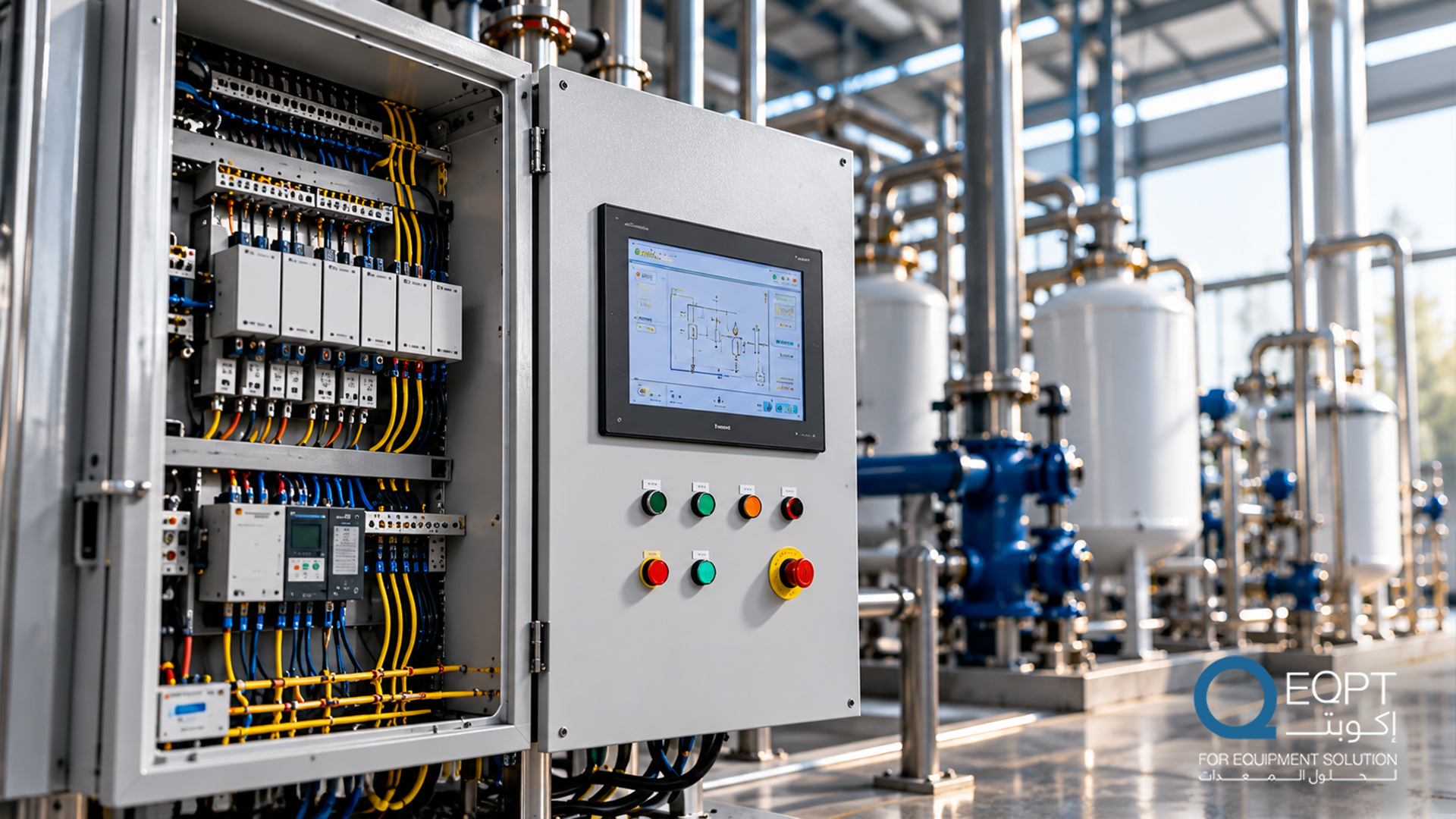
Control system commissioning should happen before the system is run at process conditions, not concurrently with it. This includes verifying instrumentation calibration (flow, pressure, conductivity, pH, turbidity) against known reference standards; confirming control logic — interlocks, alarms, and automated shutdowns — actually triggers correctly under simulated fault conditions, not just that it’s programmed; and verifying electrical protection settings (motor overload, phase protection) are set to the actual installed equipment’s ratings rather than generic defaults. A control system that has not been verified against real fault conditions before startup is an unverified assumption, not a safeguard.
Performance Testing and Baseline Documentation
Commissioning is not complete when a system produces water — it’s complete when the system’s actual performance against its design basis has been measured and documented. This means recording baseline permeate flow, recovery rate, salt rejection, and differential pressure at defined operating conditions, and comparing them against the design model established during RO membrane selection rather than assuming a running system is a performing one. This baseline becomes the reference point every future maintenance and troubleshooting decision is measured against — without it, a facility has no objective way to know whether performance six months later has actually declined, or by how much.
Punch Lists and Handover: Closing Out What Wasn’t Finished
A documented punch list — outstanding items identified during installation and commissioning that don’t block startup but need resolution — should be tracked to closure, not left as an informal verbal understanding between contractor and owner. Handover documentation should include as-built drawings, the performance baseline, calibration records, and O&M manuals; a system handed over without this documentation leaves the receiving O&M team troubleshooting blind the first time something goes wrong.
Saudi/GCC Project Context
Projects across the Kingdom frequently combine equipment from multiple international and regional suppliers with staggered delivery schedules, which increases the number of handling and storage transitions equipment goes through before installation — and the number of points at which damage or degradation can occur unnoticed. Extended site storage before installation, common on large or phased projects, makes manufacturer storage guidance (particularly for membranes and electrical components) a genuine risk factor rather than a formality, especially given regional ambient temperature extremes.
Practical Engineering Considerations
Build delivery inspection, storage conditions, and installation verification into the project schedule as documented checkpoints, not informal site practice; verify control and electrical protection settings against simulated fault conditions before process startup, not during it; and require a documented performance baseline — not just a functioning system — as a condition of commissioning sign-off.
The EQPT Perspective
EQPT supplies the pumps, membranes, dosing systems, and instrumentation that pass through this delivery-to-commissioning sequence, and provides project teams with the equipment data and documentation needed to verify installation and commissioning against the same specification the equipment was originally selected to meet (see component compatibility in water treatment system design) — rather than treating commissioning as a separate, disconnected step from specification and supply.
Key Takeaways
- Damage caught at delivery inspection is materially cheaper to resolve than damage discovered after installation.
- Membranes and electrical components require specific storage conditions; treating them like structural equipment creates a failure point before installation even begins.
- Electrical and control verification — including simulated fault conditions — should happen before process startup, not during it.
- Commissioning is complete only when performance is measured and documented against the design basis, creating the baseline all future maintenance decisions are measured against.
- Documented punch lists and handover packages prevent unresolved issues and missing documentation from becoming the receiving O&M team’s problem.
Conclusion
Water treatment commissioning — the period between equipment delivery and sign-off — is where a correctly specified system either becomes a correctly performing one, or picks up avoidable problems that surface as underperformance or early failure. Treating that period as a defined sequence — inspection, storage, installation verification, control commissioning, and documented performance testing — rather than an administrative gap is what determines which outcome a project gets.
Planning installation and commissioning for a water treatment system? EQPT’s technical team can provide the equipment data and documentation your team needs for delivery inspection, installation verification, and performance testing against your original design basis.
FAQ
Q: What is the most commonly overlooked step between equipment delivery and commissioning?
Documented performance baseline testing — many systems are accepted as operational once they produce water, without measuring and recording actual performance against the design basis.
Q: Why does membrane storage matter before installation?
Membrane elements can degrade if stored outside manufacturer-specified temperature ranges or without preservative solution intact, meaning a membrane can be damaged before it’s ever installed.
Q: Should electrical and control systems be tested during process startup?
No — control logic, interlocks, and protection settings should be verified against simulated fault conditions before the system is run at process conditions, not discovered to be misconfigured during startup.
Q: What should a commissioning handover package include?
As-built drawings, the documented performance baseline, instrumentation calibration records, and O&M manuals — without these, the receiving operations team has no reference point for future troubleshooting.