Introduction
Good water treatment system design is often judged by the quality of its individual components. It is possible to select a high-quality pump, a high-quality membrane, a high-quality dosing system, and a high-quality control valve — and still end up with a treatment system that underperforms. Individual component quality is necessary but not sufficient. What determines whether a treatment train performs as designed is whether those components were selected to work together: matched on flow and pressure, compatible in materials, and coordinated under one control strategy.
This is the layer of engineering that gets the least attention in procurement-driven project reviews, precisely because it doesn’t show up on any single component’s data sheet. It shows up in how the system behaves once it’s running.
Hydraulic Compatibility: Pumps, Membranes, and Pressure Vessels
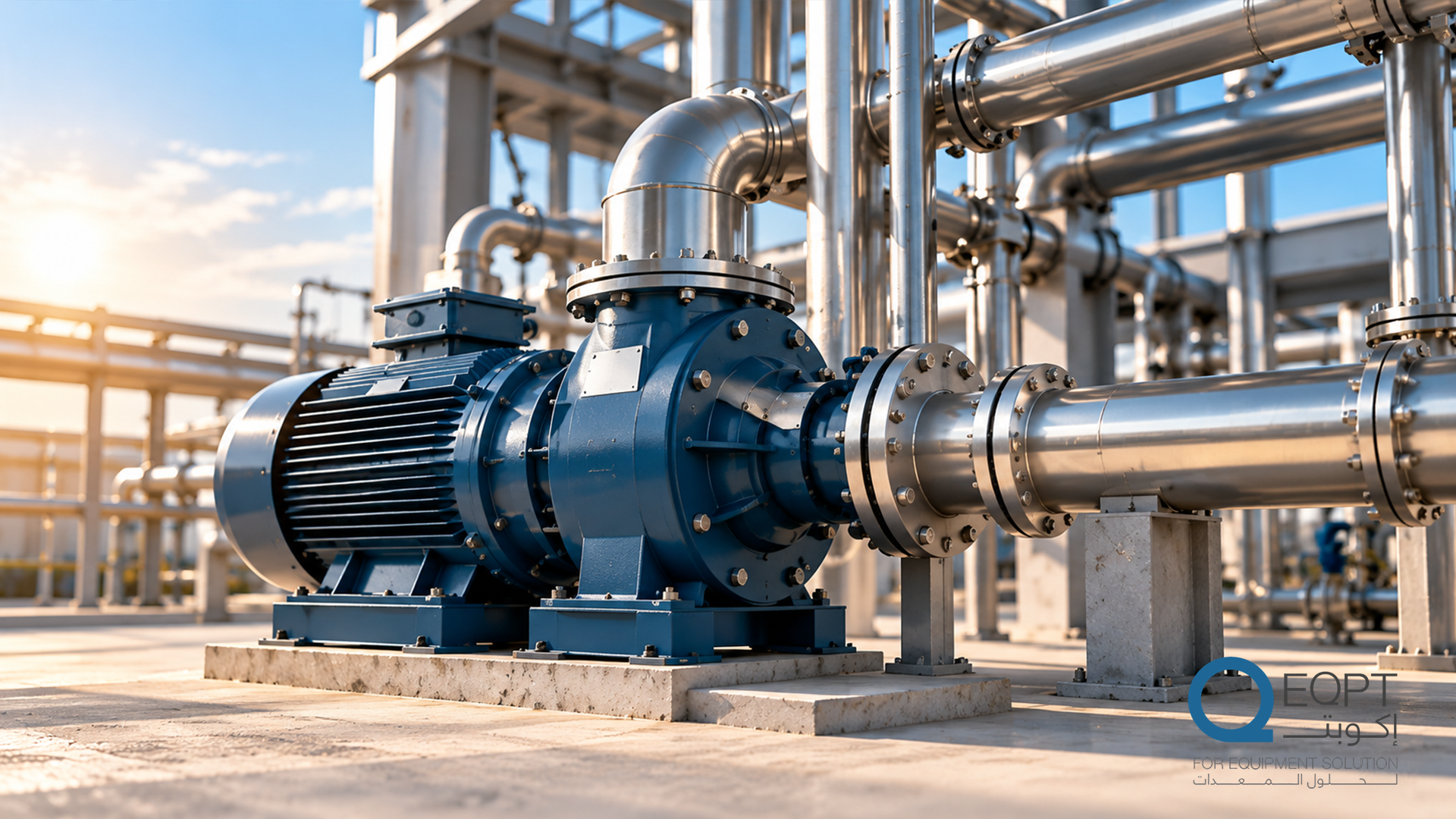
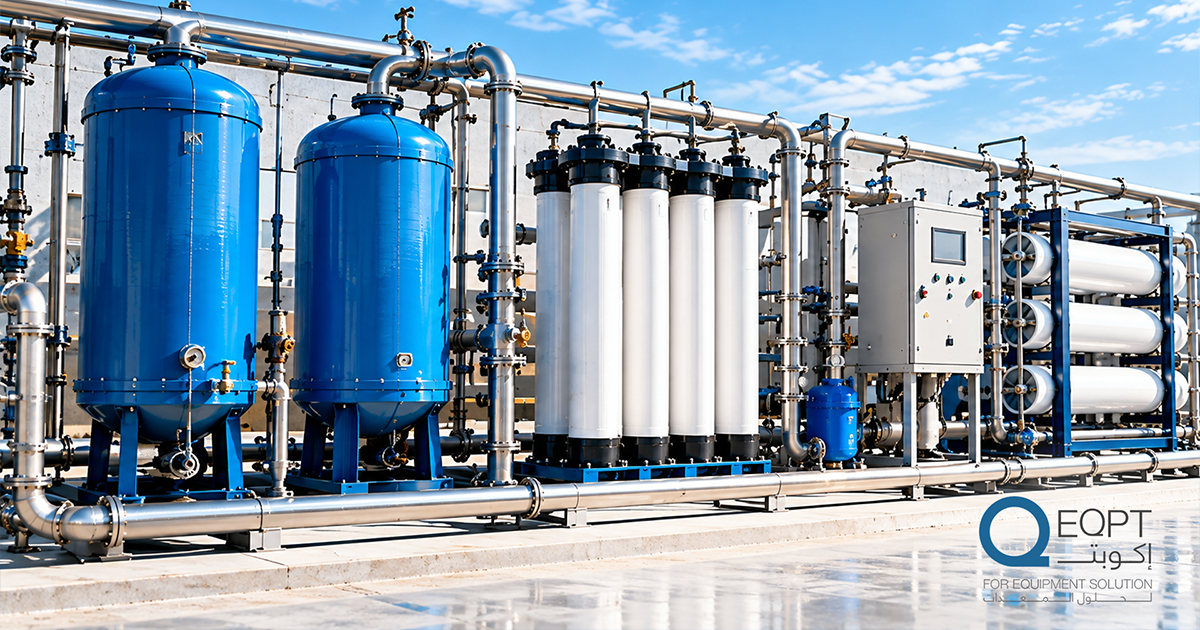
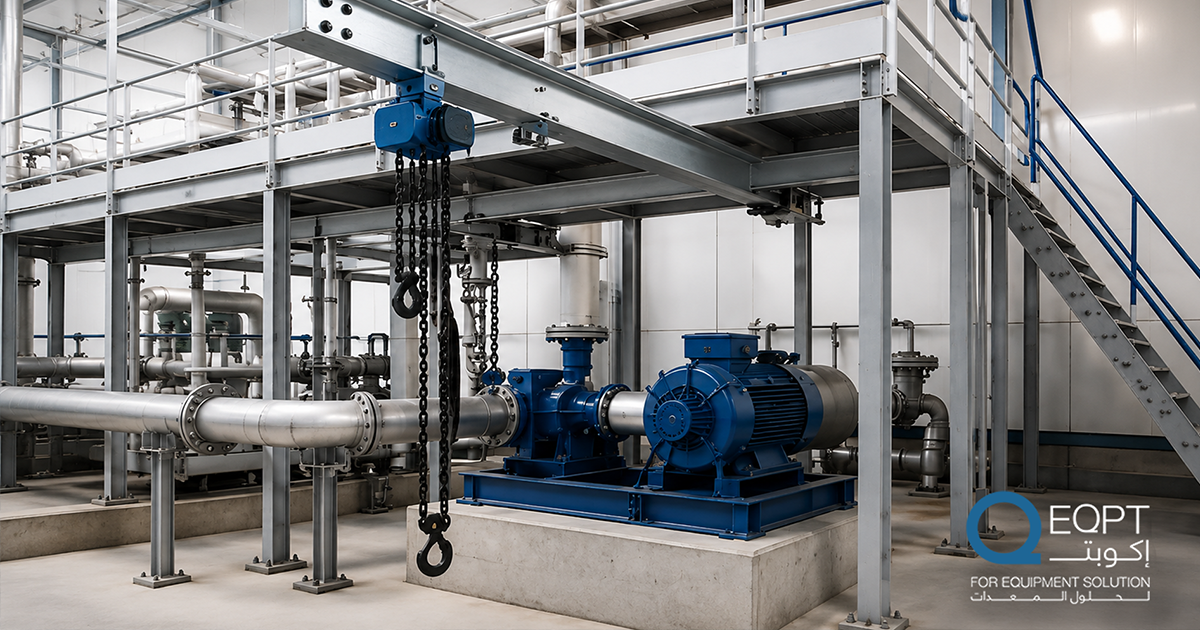
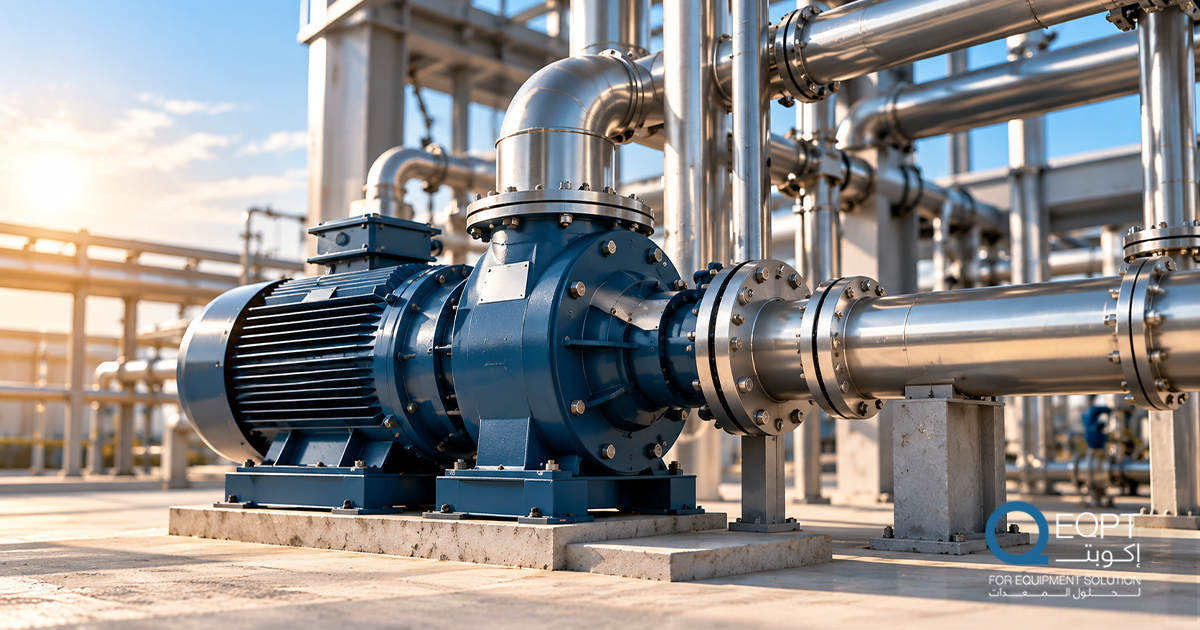
A pump has to deliver the flow and pressure the membrane array needs across its full operating range — not just at one design point. Pumps run most efficiently at their Best Efficiency Point (BEP); operating consistently away from BEP wastes energy and accelerates mechanical wear. Because RO systems don’t run at a single fixed condition (feedwater temperature, fouling state, and recovery targets all shift over time), variable frequency drives (VFDs) are frequently specified to keep the pump closer to BEP across that range — potentially cutting pump energy consumption meaningfully. Pressure vessels, in turn, have to be rated for the pump’s actual discharge pressure with margin, and correctly sized for the specific element configuration and count they will house.
Control Valves, Dosing Systems, and Filtration: Coordinated, Not Independent
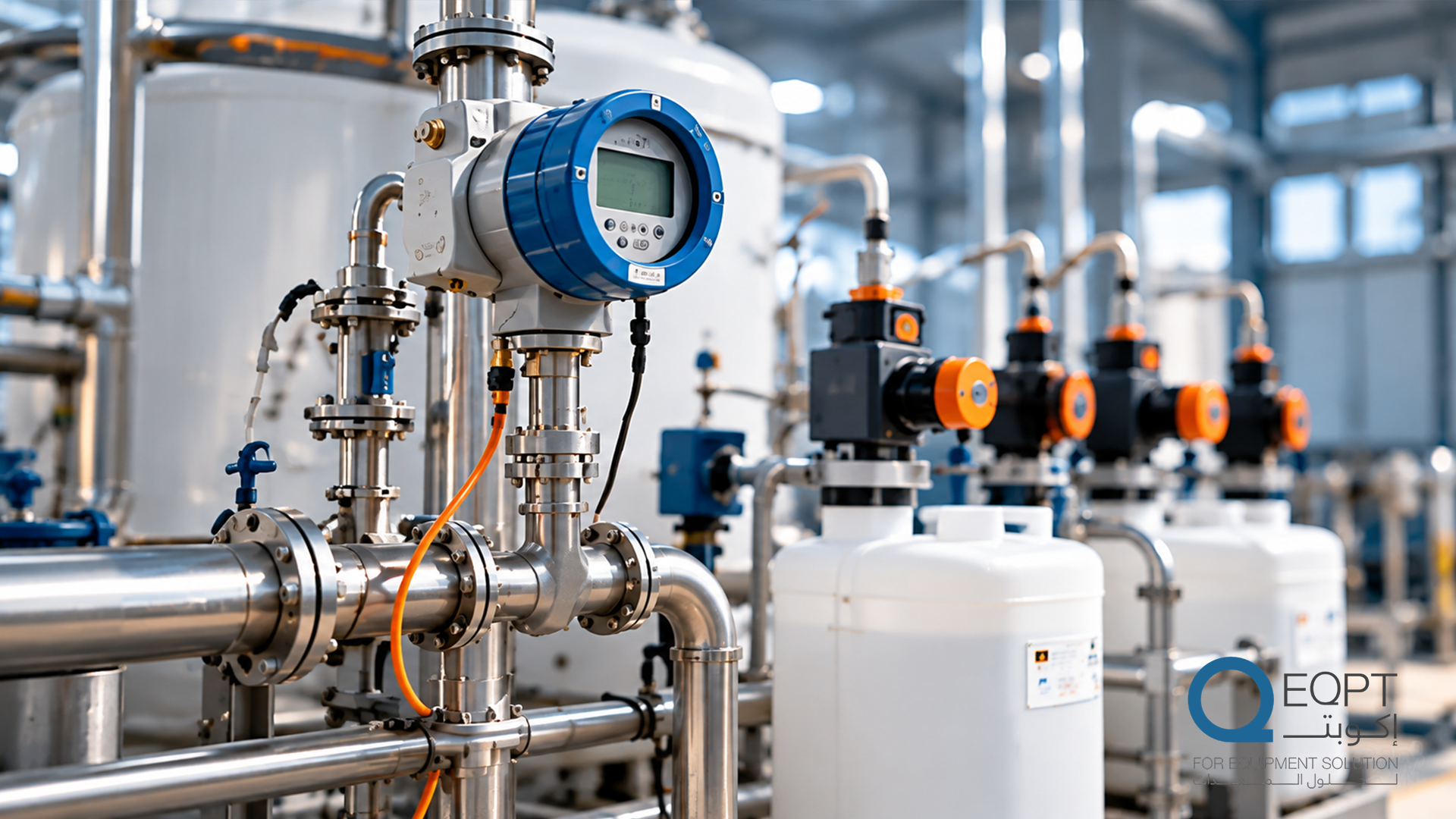
Control valves at critical points — feed isolation, permeate diversion, concentrate control (see this valve selection guide for pump stations and treatment plants) — should be automated with fail-safe actuation (pneumatic spring-return or battery-backed electric) so that a power interruption doesn’t create an overflow or an uncontrolled pressure event. Dosing systems (antiscalant, biocide, pH adjustment) must be sized and timed to actual flow and recovery conditions, not a fixed setpoint, since scaling risk changes as recovery or feedwater composition shifts. Filtration stages (cartridge, media, UF) need to be hydraulically matched to the RO array’s flow requirement, a point covered in more depth in our guide to RO pretreatment — an undersized or oversized filtration stage upstream changes the pressure and flow profile the membrane array actually sees.
Instrumentation and Flow/Pressure Compatibility
A full instrumentation network — turbidity, pH, conductivity, differential pressure, flow — gives the control system the real-time feedback it needs to adjust dosing, trigger cleaning cycles, and flag developing problems before they become failures. Instrumentation that isn’t integrated into a coordinated control strategy is just data collection; it doesn’t change how the system behaves.
Materials Compatibility and Control Strategy
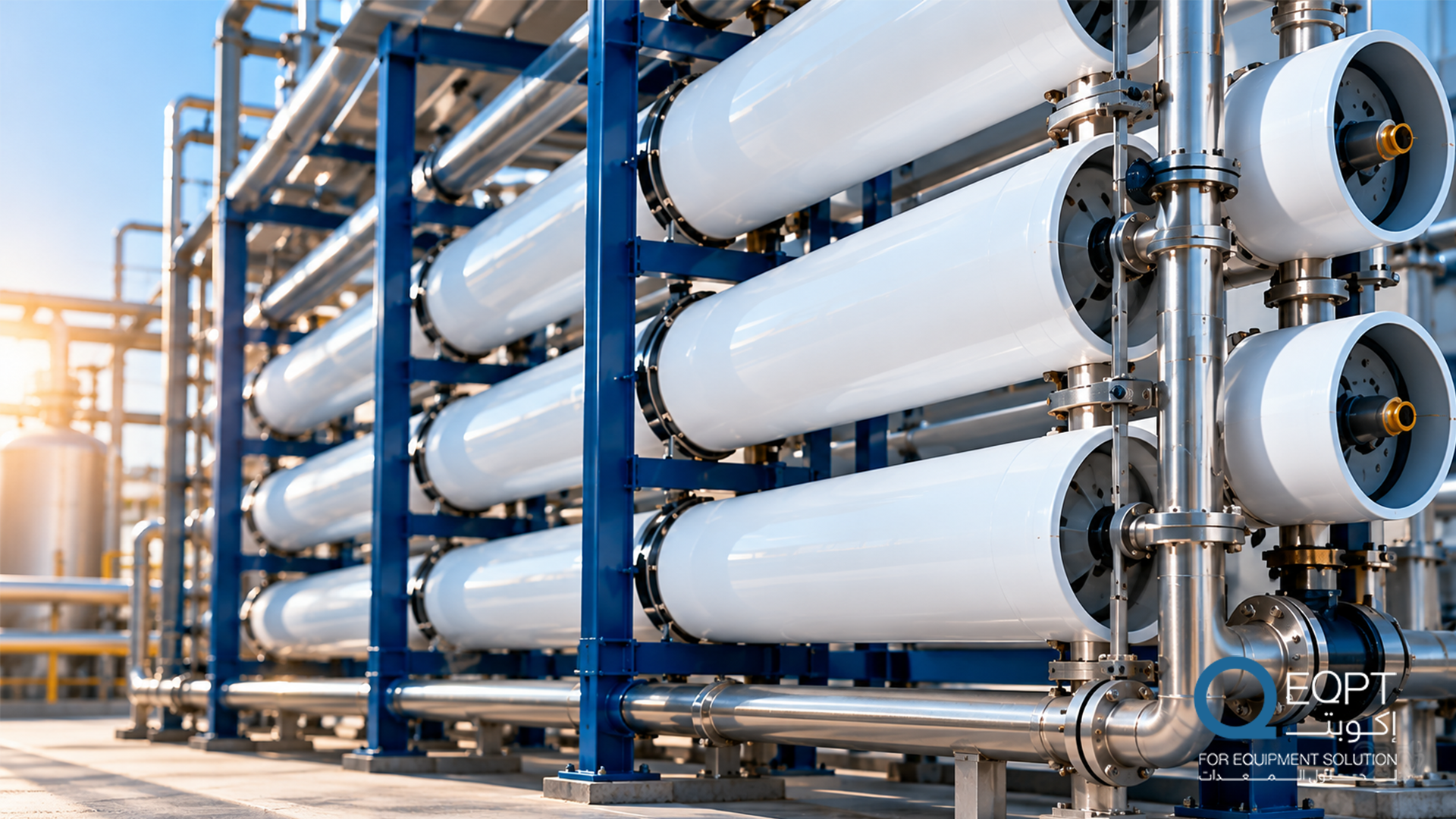
Materials selection has to account for the chemicals actually in contact with wetted components — ferric chloride, sodium hypochlorite, and antiscalants are all aggressive to the wrong materials. Duplex stainless steel, fiberglass-reinforced plastic (FRP), and specialized thermoplastic liners are commonly specified for wetted parts in these chemical environments; using a standard material because it was cheaper or more available is a common source of premature valve, pump, and dosing-line failure. Components in contact with potable water should also meet certification standards such as NSF/ANSI 61 to prevent material leaching, and pressure-retaining components should meet applicable ASME BPVC standards.
Control strategy is the layer that ties all of this together: a SCADA or PLC-based control system that treats the pump, valves, dosing, and instrumentation as one coordinated system — not as separately programmed devices — is what allows the plant to respond correctly to changing conditions automatically, rather than relying on manual operator intervention every time feedwater or demand shifts.
Saudi/GCC Industrial and Municipal Context
Saudi industrial and municipal projects increasingly combine equipment from multiple vendors and geographies — a pump from one supplier, a membrane from another, a control system from a third — often driven by cost or availability. That’s not inherently a problem, but it does mean compatibility has to be engineered deliberately rather than assumed, since no single vendor’s data sheet is responsible for how the combined system behaves.
Practical Engineering Considerations
When evaluating a treatment train design, start from the membrane’s operating envelope (see RO membrane selection), confirm hydraulic compatibility across the full operating range (not just the design point), verify materials compatibility against actual dosing chemistry, and confirm the control system is programmed to coordinate components rather than operate them independently. Maintenance implications should also be reviewed at the design stage — a component that’s hard to access or service becomes a recurring operating cost, regardless of how well it performs on paper.
The EQPT Perspective
EQPT supplies pumps, membranes, pressure vessels, valves, dosing systems, and instrumentation across the same projects—putting the company in a position to flag compatibility issues (hydraulic mismatch, material conflicts, uncoordinated control) at the specification stage, before they become commissioning or operating problems. That’s a distinct value from simply supplying components: it’s making sure the components supplied are the right ones to work together for a given application.
Key Takeaways
- Individual component quality does not guarantee system performance; hydraulic, materials, and control compatibility across the treatment train matter as much.
- Pumps should be matched to the membrane array’s full operating range, not just a single design point — VFDs help maintain efficiency across that range.
- Materials selection must account for actual dosing chemistry; using the wrong material for the chemical environment is a common cause of premature failure.
- A coordinated control strategy (SCADA/PLC) that treats components as one system, rather than independently programmed devices, is what allows a plant to respond correctly to changing conditions.
Conclusion
Water treatment system design is not a bill of materials — it’s a set of interacting components whose compatibility has to be engineered deliberately. Buying good individual products is a starting point, not a guarantee. The projects that perform reliably for years are the ones where compatibility was reviewed as carefully as any single component’s spec sheet.
Evaluating a multi-vendor treatment train and want a compatibility review before procurement? EQPT’s technical team can help assess hydraulic, materials, and control integration across your system.
FAQ
Q: Why can a system underperform even with high-quality individual components?
Because performance depends on how components interact — hydraulically, chemically, and through the control system — not just on each component’s individual rating.
Q: What is a Best Efficiency Point (BEP) and why does it matter for pumps?
BEP is the flow/pressure condition at which a pump converts electricity to flow with the least waste. Operating away from BEP wastes energy and accelerates wear; VFDs help keep pumps closer to BEP as conditions change.
Q: Why does materials selection matter beyond corrosion resistance?
Because the wrong material in contact with dosing chemicals (like sodium hypochlorite or ferric chloride) can fail prematurely, causing leaks or contamination — not just gradual corrosion.
Q: What standards are relevant to component material selection in water treatment?
NSF/ANSI 61 for potable-water contact materials and ASME BPVC for pressure-retaining components are commonly referenced standards.