Clean water is essential for health, industry, and environmental sustainability With increasing contamination from chemicals, microorganisms, heavy metals, and dissolved solids, water purification systems have become indispensable across residential, commercial, and industrial sectors.
This comprehensive guide explores how modern water purification systems operate, the technologies involved, their benefits, and how they ensure consistently high water quality for every application.
What Is a Water Purification System?
A water purification system is an engineered solution designed to remove physical, chemical, and biological contaminants from water to make it safe, clean, and suitable for its intended use.
Unlike simple filtration, purification addresses a wide range of impurities, including bacteria, viruses, suspended solids, chlorine, heavy metals, and organic compounds.
These systems range from point-of-use units for homes to large-scale industrial plants. Each system is selected based on water source quality, regulatory standards, and the intended end-use.
How Water Purification Systems Improve Water Quality
Modern water purification systems use a multi-stage approach to guarantee reliable purification. Each stage targets specific contaminants, producing water that meets stringent quality standards.
Physical Filtration for Particulate Removal
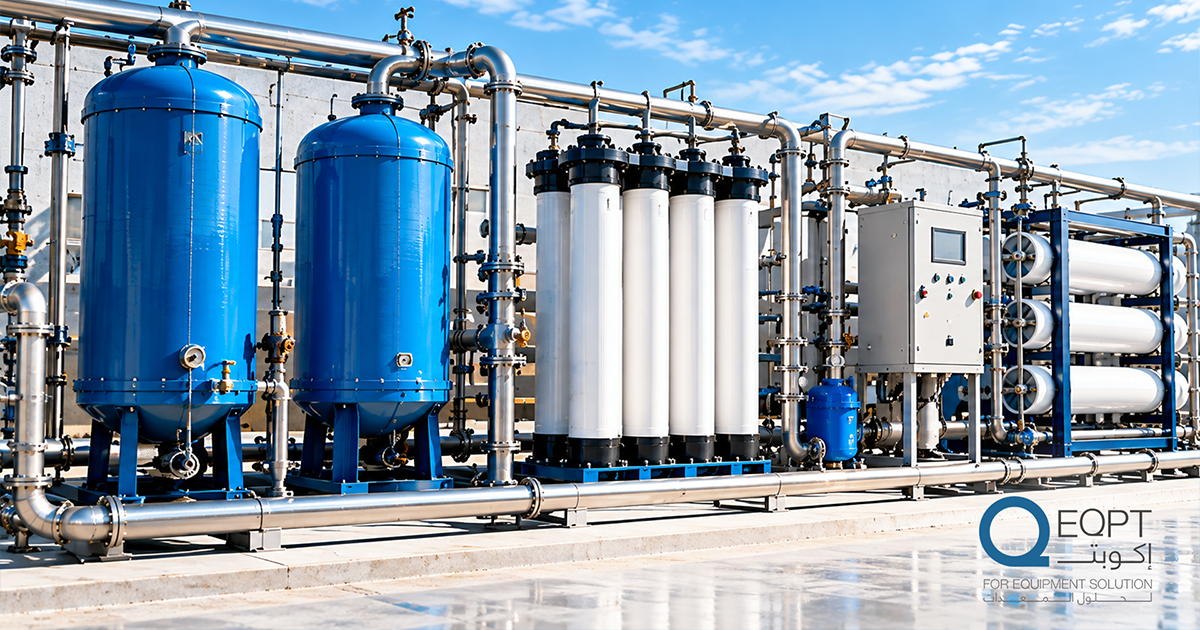
Physical filtration removes visible and microscopic particles like sand, silt, rust, and sediment. Cartridge filters, housing filters, and media filtration units are commonly used at this stage. These prevent particulate matter from damaging downstream equipment and enhance overall system efficiency.
Chemical Filtration and Adsorption
Chemical filtration focuses on dissolved contaminants. Activated carbon and specialized media remove chlorine, volatile organic compounds (VOCs), pesticides, and unpleasant tastes or odors. This stage significantly improves water clarity and taste while protecting sensitive equipment.
UV Sterilization for Microbiological Safety
UV sterilization neutralizes bacteria, viruses, and microorganisms using ultraviolet light. UV systems disrupt the DNA of pathogens, rendering them incapable of reproduction.
This method provides chemical-free disinfection and is widely used in residential, commercial, and healthcare applications.
The Three Types of Water Purification
Water purification methods are commonly categorized into three main types:
- Physical Purification: Sediment filters, cartridge filters, and media filters that remove particles and debris.
- Chemical Purification: Activated carbon, chemical dosing, or adsorption processes to remove chlorine, odors, and organic contaminants.
- Biological/Microbial Purification: UV sterilization or other pathogen-killing methods to eliminate bacteria, viruses, and protozoa.
The Five Methods of Purifying Water
There are several methods used to purify water effectively:
- Boiling: Kills bacteria and viruses but does not remove minerals or chemicals.
- Filtration: Removes sediments, debris, and some chemicals.
- Distillation: Evaporates and condenses water to remove almost all impurities.
- Chemical Treatment: Uses chlorine or other chemicals to disinfect water.
- UV Sterilization: Uses ultraviolet light to kill microorganisms without altering the water’s chemical composition.
Types of Water Purification Systems
UV Water Purification Systems
UV systems eliminate harmful microorganisms without altering water chemistry. They are effective against bacteria, viruses, and protozoa, making them ideal for homes, hospitals, and commercial facilities. Minimal maintenance is required, and essential minerals are preserved.
Cartridge and Housing Filter Systems
Cartridge Filters These versatile systems remove sediment, chlorine, and improve taste. Available in various micron ratings, they can be used for point-of-use or whole-house applications. They are common in homes, offices, restaurants, and as pre-treatment in industrial systems.
Media Filtration Systems
Media filters use layers of sand, anthracite, garnet, or activated carbon to remove suspended solids and organic compounds. These are widely used in industrial treatment, cooling towers, and high-flow commercial applications. They provide reliable performance and long service life.
Water Softeners
Water softeners reduce hardness caused by calcium and magnesium, protecting pipes, boilers, and appliances. They enhance efficiency, reduce maintenance, and prolong equipment lifespan.
Benefits of Water Purification Systems
Health and Safety
Purified water minimizes exposure to harmful microorganisms, chemicals, and heavy metals, making it safe for drinking, cooking, healthcare, and pharmaceutical use.
Equipment Protection
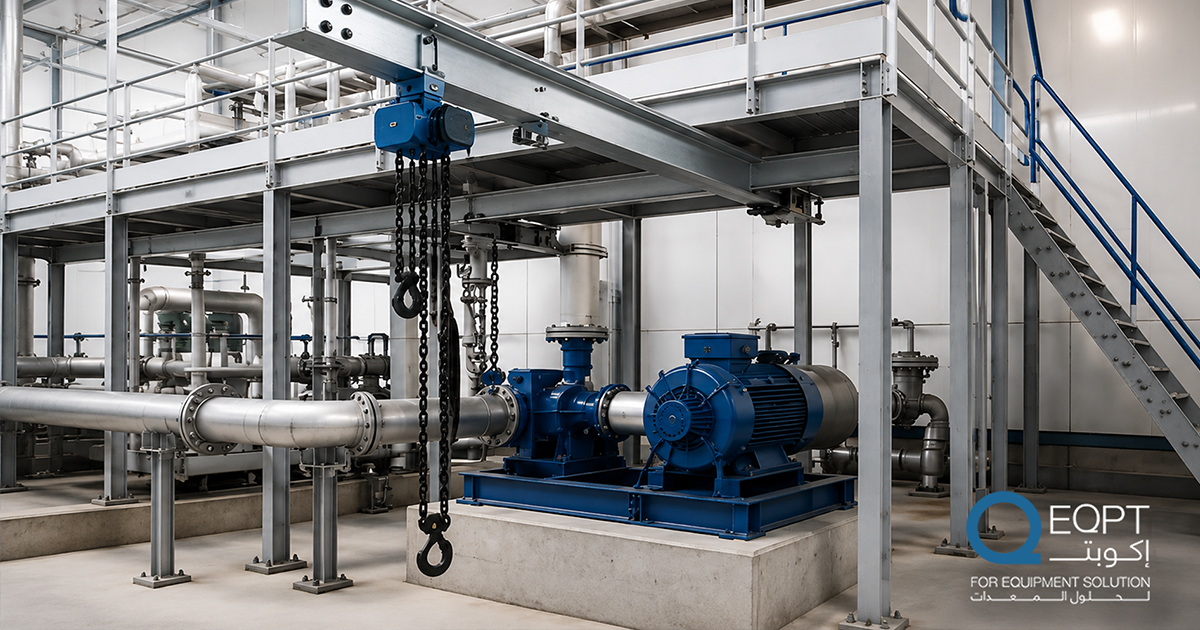
Purification systems prevent scaling, corrosion, and fouling in pipes, boilers, pumps, and heat exchangers, reducing downtime and maintenance costs.
Taste, Odor, and Appearance
By removing chlorine, organic compounds, and suspended particles, water taste, odor, and clarity are improved a crucial factor in homes, hospitality, and food services.
Efficiency and Cost Savings
High-quality purified water improves operational efficiency, product consistency, and energy performance while reducing long-term costs associated with equipment damage and chemical use.
Distilled Water vs Water Purification Systems
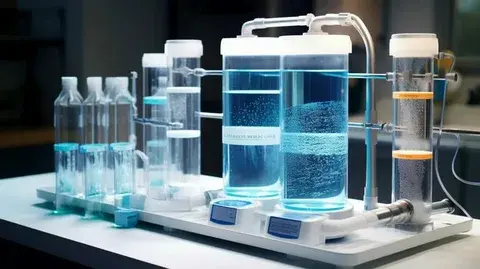
Distilled water is extremely pure, removing nearly all minerals and impurities, making it suitable for laboratories and specialized equipment. However, it is not practical for daily household or industrial use. Water purification systems offer ongoing treatment, providing safe water while often preserving beneficial minerals, making them ideal for homes, commercial, and industrial applications.
How to Choose the Best Water Purification System
When selecting a system, consider the following:
Water Source and Contaminants
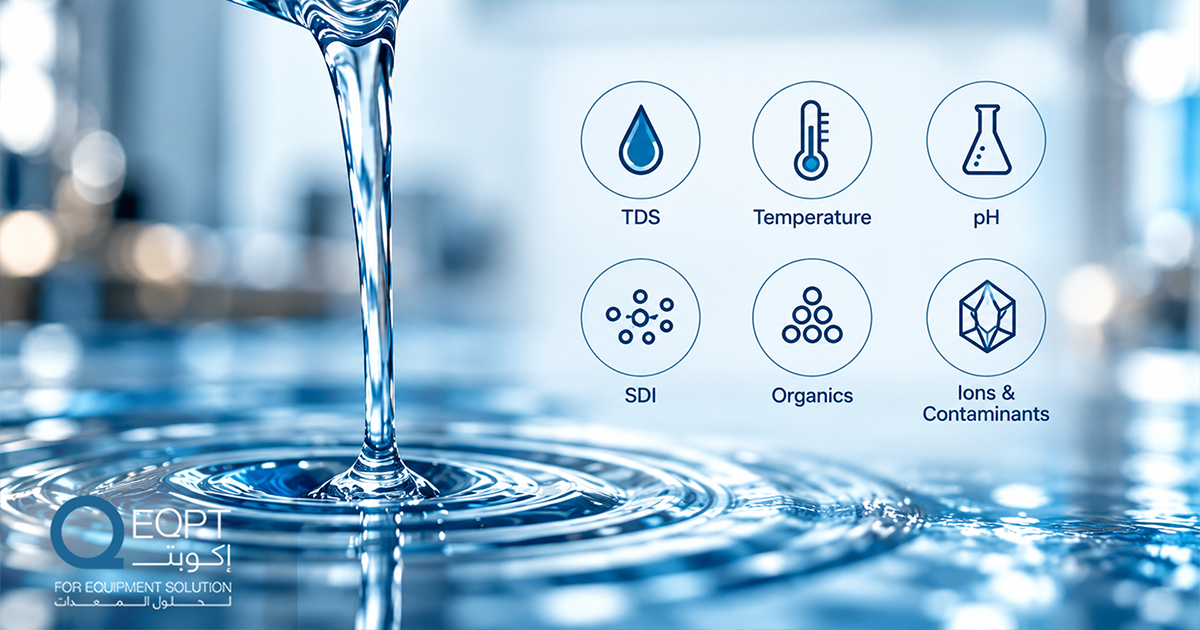
Municipal, groundwater, and surface water each have unique contamination profiles. A thorough analysis ensures the system targets the specific impurities present.
Application Requirements
Residential systems focus on taste and safety, while commercial and industrial systems prioritize operational reliability, regulatory compliance, and equipment protection.
Maintenance and Lifecycle
Effective systems are durable and easy to maintain. Regular filter replacement, UV lamp servicing, and system monitoring ensure long-term performance.
Applications of Water Purification Systems
- Residential: Drinking water, cooking, bathing, and appliance protection
- Healthcare: Sterile water for medical devices, laboratories, and patient care
- Industrial: Manufacturing processes, boilers, and cooling systems
- Hospitality & Food Service: Consistent water quality for beverages and food preparation
- Commercial Buildings: Schools, offices, and public facilities requiring reliable water treatment
Conclusion
Water purification systems are essential for providing safe, reliable, and high-quality water across residential, commercial, and industrial environments. Advanced filtration, chemical treatment, and UV sterilization technologies allow these systems to meet modern water challenges effectively.
By choosing the right system, homes and businesses can achieve better health outcomes, operational efficiency, and long-term cost savings. For the best solutions in water purification systems, explore the full range of products offered by EQPTSolution, leveraging our expertise in providing clean and safe water for all residential, commercial, and industrial applications.
(FAQ)
What is a water purification system?
A water purification system removes contaminants from water, including bacteria, viruses, chemicals, and particles, to make it safe for drinking, industrial, or medical use.
What water purification system is best?
Multi-stage systems combining filtration and UV sterilization offer the most reliable drinking water quality by removing physical, chemical, and microbial contaminants.
What are the 5 methods of purifying water?
The five methods include boiling, filtration, distillation, chemical treatment, and UV sterilization.
What are the three types of water purification?
The three main types are physical purification (removing particles), chemical purification (removing dissolved chemicals), and biological/microbial purification (eliminating microorganisms).
Do water purification systems remove minerals?
Some systems reduce certain minerals, while others preserve essential minerals. Selection depends on water quality and intended use.
How often should purification system components be replaced?
Replacement depends on system type and water quality. Regular maintenance ensures optimal performance and safety.